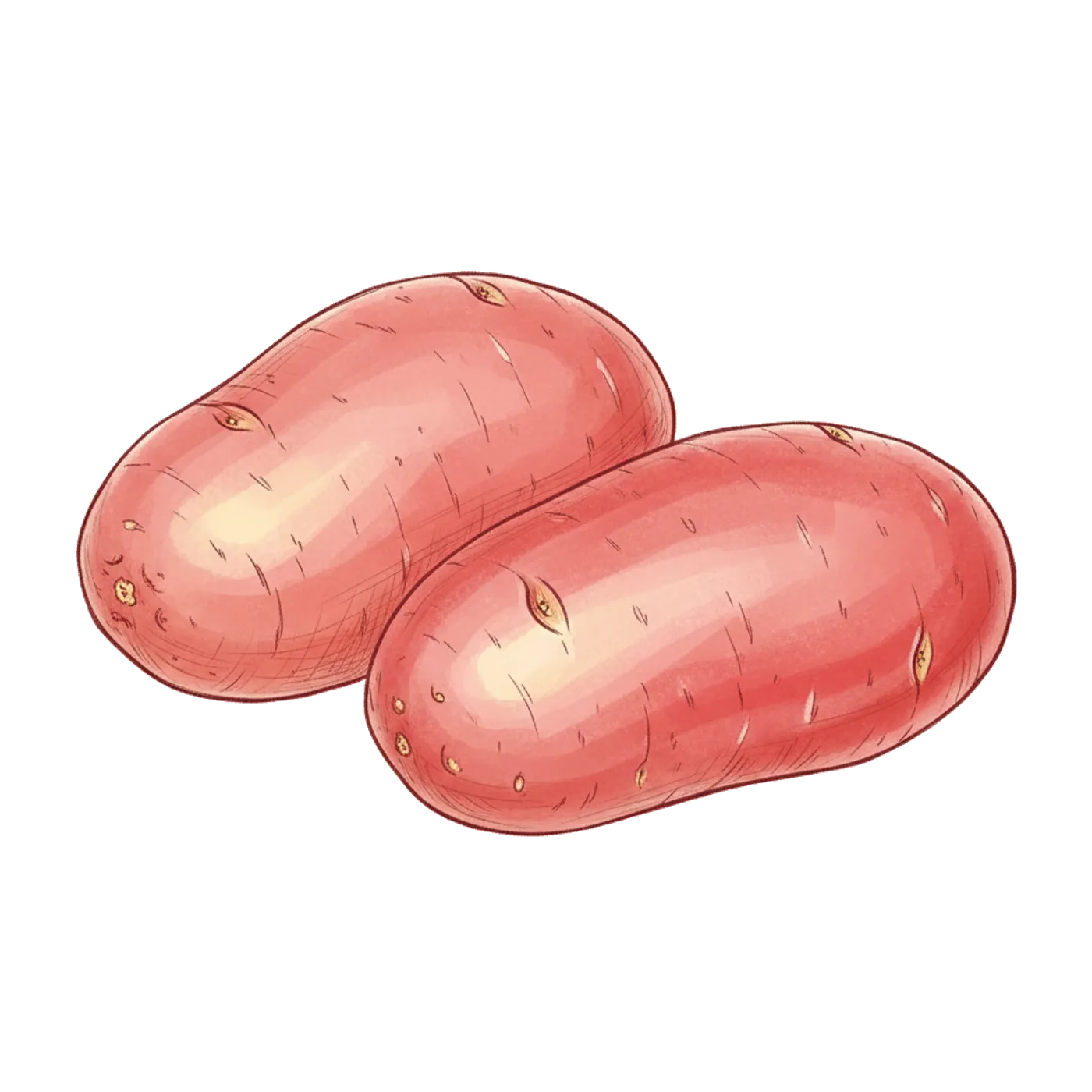
Close-up of Desiree potatoes showing distinctive red skin and golden flesh

Désirée

Bred in 1962. Grown on 4 continents. The world's most versatile potato.

Red-skinned Antioxidant-rich All-purpose

A red-skinned, yellow-fleshed superfood hiding in plain sight. Potato peel ORAC values that exceed most fruits, vegetables, and nuts.

Désirée is a 1962 Dutch maincrop variety — a cross of Urgenta and Depesche — that has quietly become one of the most grown red-skinned potatoes on Earth. Its red skin isn't cosmetic. It signals anthocyanins and chlorogenic acid: the antioxidant compounds missing from white and yellow varieties.

82kcal

per 100g cooked

429mg

potassium

19mg

vitamin C

21.5%

dry matter

Red-skinned Desiree potatoes with golden flesh
Boiled Desiree potatoes with olive oil and herbs
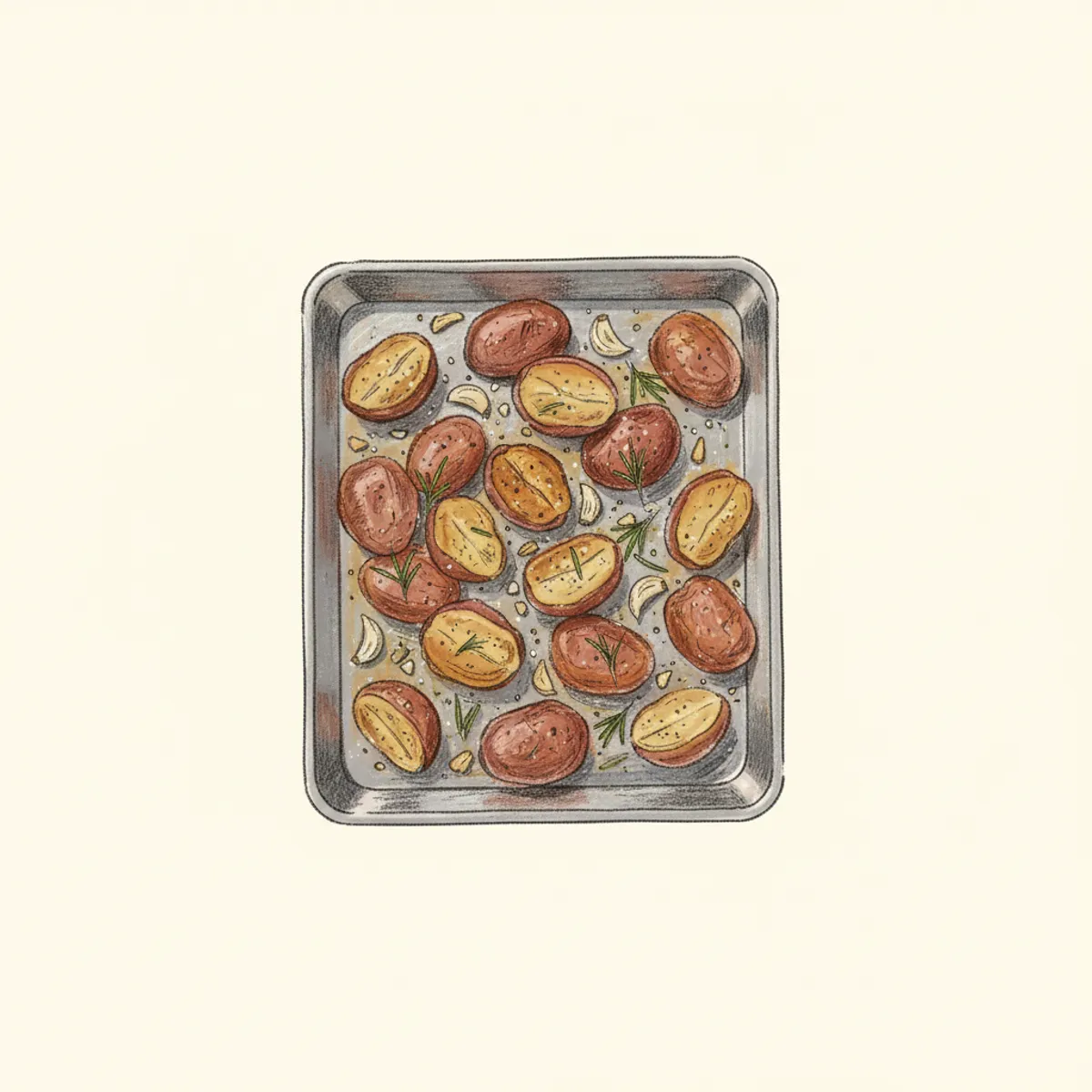
Crispy roasted Desiree potatoes on ceramic plate

Not all potatoes are created equal. The science is unambiguous.

Peer-reviewed research on phenolic compounds, resistant starch, and glycemic response — all pointing to the same conclusion.

01

The Skin Is the Main Event

Unpeeled potato samples show total phenolic content nearly double that of peeled samples.

Red and purple-skinned varieties like Désirée contain anthocyanins on top of chlorogenic acid (5-CQA), giving them strong antiradical activity validated across DPPH, ABTS, and ORAC assays. Chlorogenic acid alone contributes 28–45% of total antioxidant activity in red-skinned potatoes.

Key Data

345–2,852 mg/100g DM (unpeeled) vs 191–1,864 mg/100g (peeled)

Source: PMC7796066 →
02

Resistant Starch & Blood Sugar

Chilling cooked potatoes reduces glycemic index by 25–28%.

Raw potato starch is ~75% RS2 resistant starch. Cooking gelatinises most of it, but chilling converts a significant portion back into RS3, reducing insulin and GIP responses compared to freshly cooked. Cold Désirée potato salad is a materially better blood sugar option than hot mashed.

Key Data

21.5% dry matter · 15.6% starch content

Source: PMC6267054 →
03

Anti-Inflammatory Properties

Red potato peel extracts are being investigated as nutraceutical ingredients.

Chlorogenic acid in the skin is an active phenolic with documented anti-inflammatory and anti-hypertensive properties. The combination of anthocyanins and chlorogenic acid in Désirée's red skin provides a pharmacologically relevant concentration of bioactive compounds.

Key Data

Potato peel ORAC values exceed many fruits and nuts

Source: PMC12111347 →

Per 100g, cooked, skin‑on.

Désirée delivers a micronutrient profile that most people don't associate with potatoes. The numbers below are for boiled, skin-on preparation — the method that preserves the most nutritional value.

Source: Specialty Produce →

Nutrient

Amount

Why It Matters

Calories

82 kcal

Lower than rice, pasta, or bread per gram

Vitamin C

~19 mg

38% RDA — immune function, collagen synthesis

Potassium

~429 mg

Blood pressure regulation, muscle function

Vitamin B6

Good source

Neurotransmitter production, brain health

Folate

Present

Cell repair, essential in pregnancy

Iron

Present

Oxygen transport in blood

Magnesium

Present

Involved in 300+ enzymatic reactions

Fiber (skin-on)

~2 g

Gut health, satiety, feeds beneficial bacteria

The one rule that changes everything.

"Eat Désirée skin-on, boiled or baked, then cooled and reheated or served cold."

Source: PMC9368276 →

  1. 01

    Cook

    Boil or bake, skin‑on

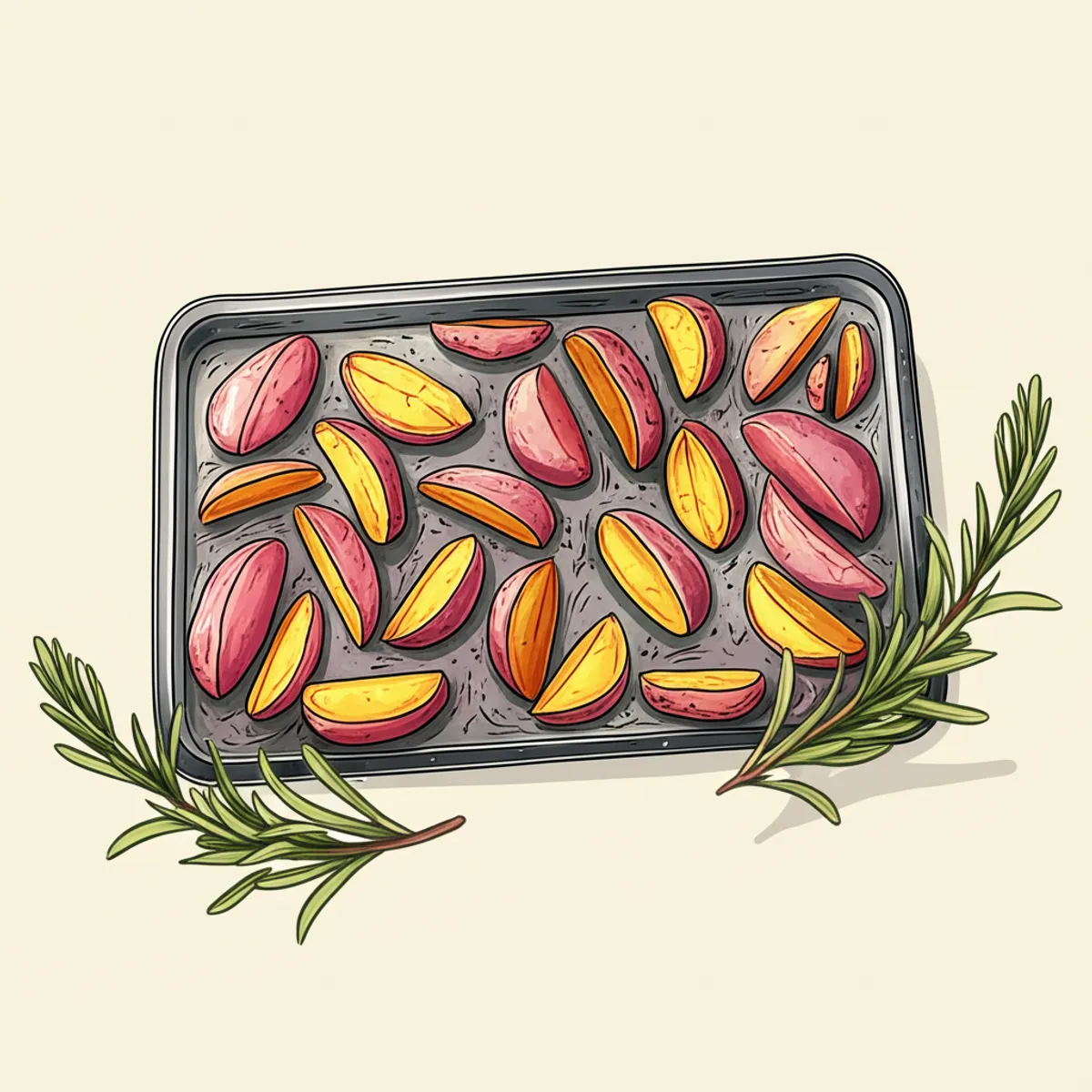
    Keep the red skin intact — it contains the anthocyanins and chlorogenic acid. Boiling preserves more water-soluble vitamins than frying. Baking works too.

  2. 02

    Cool

    Refrigerate overnight

    Chilling converts gelatinised starch back into resistant starch (RS3). This single step reduces the glycemic index by 25–28% compared to eating freshly cooked.

  3. 03

    Eat

    Serve cold or gently reheat

    Cold potato salad, reheated wedges, room-temperature sides. The resistant starch persists even after gentle reheating. Your gut bacteria ferment it into butyrate — fuel for your colon cells.

Anti-pattern

Deep-frying destroys skin phenolics and converts resistant starch to rapidly digestible glucose.

If you must fry, use the skin-on and keep the oil temperature moderate.

Boiling and cooling Desiree potatoes — the optimal preparation method
Balanced meal with skin-on Desiree potatoes, fresh salad, and olive oil

Four diets.
One potato.

Désirée isn't niche. It fits into the eating patterns people actually follow.

Weight Management

Potatoes rank among the highest on the Satiety Index — significantly more filling per calorie than bread, rice, or pasta. Combined with Désirée's fiber content and resistant starch when chilled, it's a legitimate high-satiety, low-energy-density food.

Source: Healthline →

Gut Health

Resistant starch acts as a prebiotic — fermented by gut bacteria into short-chain fatty acids (SCFAs) like butyrate, which feeds colonocytes and reduces intestinal inflammation. Your microbiome treats cooled Désirée as fuel.

Source: PMC6267054 →

Blood Sugar

GI varies wildly by preparation. Boiled Désirée (skin-on, cooled) has a meaningfully lower GI than baked or fried. Pairing with fat or protein — olive oil, cheese, eggs — further blunts the glycemic response.

Source: PMC9368276 →

Gluten-Free

Naturally 100% gluten-free. A complete starch-based diet option for celiac or gluten-intolerant individuals. No processing required — just cook and eat.

Most varieties are clearly waxy or floury. Désirée is genuinely both.

Dutch agricultural landscape where Desiree was first bred in 1962
Freshly harvested red Desiree potatoes from rich soil

Désirée was bred in the Netherlands in 1962 — a cross of Urgenta and Depesche. It sits in Cooking Type B: "slightly mealy" with 21.5% dry matter and 15.6% starch content. This is the key to its versatility: firm enough to hold shape when boiled, yet starchy enough to crisp beautifully when roasted or fried.

It has notably high drought resistance — producing uniform tubers even when soil moisture is uneven. Most commercial cultivars require tight irrigation management. Désirée built its global following precisely because it tolerates inconsistency.

Italian growers in Colfiorito discovered Désirée in the early 1970s and eventually gave it protected geographical status. They hold an annual red potato festival in its honour. A Dutch-bred variety achieving regional cultural canonisation within a decade of release speaks to how immediately it impressed growers in radically different climates.

Varietal Profile

Type B cook classification

Roast, mash, boil, fry — all work well

21.5% dry matter

Crispy exterior, not watery when cooked

High drought resistance

Reliable yield with minimal irrigation

Red skin antioxidants

Nutritional edge over white/yellow varieties

Strong disease resistance

Lower input costs for growers

Global adaptation

Grown on 4 continents with minimal modification

Disease Resistance

Drought: High

Potato Virus Y (PVY): Good

Blackleg: Extremely resistant

Growth cracks: Good resistance

One weakness: susceptible to potato cyst nematode — crop rotation matters.

Potato plants growing in a garden bed

Growing Désirée

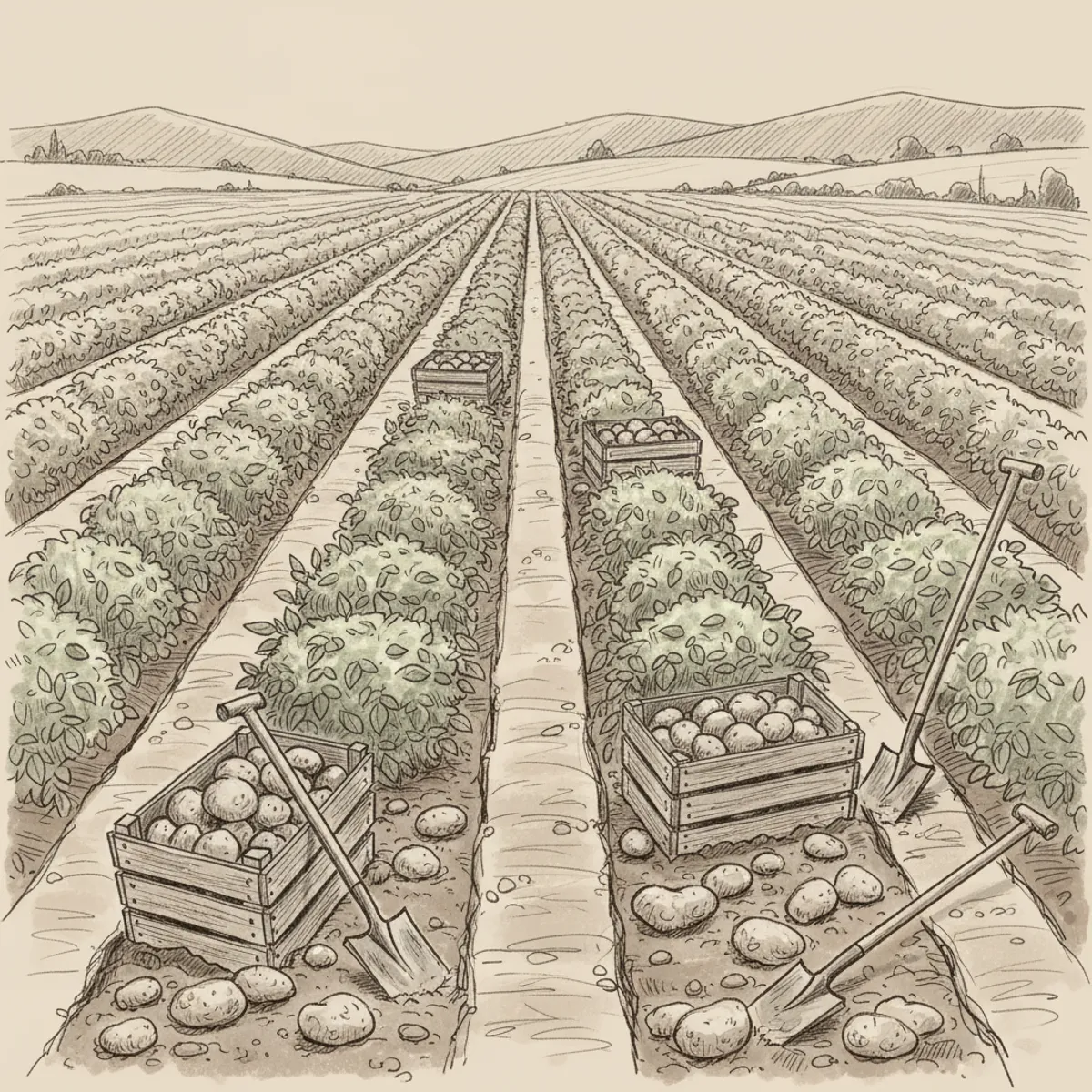
Maincrop variety. Plant in April, harvest September. High drought tolerance means less fuss — perfect for allotments, raised beds, and low-irrigation farms. Resistant to blackleg, PVY, and growth cracks.

PotatoPro Variety Data →
Cross-sectioned Desiree potatoes showing red skin and golden flesh

The Nutrition Science

Anthocyanins. Chlorogenic acid. Resistant starch. The peer-reviewed research on red-skinned potato phenolics is deep and growing. Désirée's skin delivers antioxidant ORAC values that compete with berries.

Read the Research →
Red Desiree potatoes at a farmers market

Find Désirée

Available at farmers markets, specialty produce stores, and seed potato suppliers across Europe, UK, and Australia. Look for the smooth red skin and golden flesh. HZPC and STET carry certified seed.

HZPC Variety Page →